

What Does This Text Really Mean? Stop Guessing Your Conversations.
We’ve all been there, staring at a message, reading it three times, and still not being 100% sure what someone actually meant. Your friend’s text seems cold. Your crush’s reply feels distant. Your coworker’s email lands wrong. And suddenly, you’re spiraling into a thousand different interpretations, each one somehow worse than the last. But here’s the thing: most of the time, we’re not actually mind readers. We’re guessing. We’re filling in blanks with our own anxieties, past experiences, and emotional baggage. Understanding what does this text really mean is harder than ever. The reason is because we’ve stripped communication down to its most vulnerable form, words without tone, without body language, without context. This is where clarity becomes everything. Instead of letting confusion breed conflict, what if you could actually understand what’s happening beneath the surface of your conversations?
The Problem With Digital Communication Today
Digital conversations are broken in ways we don’t always realize. Let me paint the picture.
How Modern Text Gets Misunderstood?
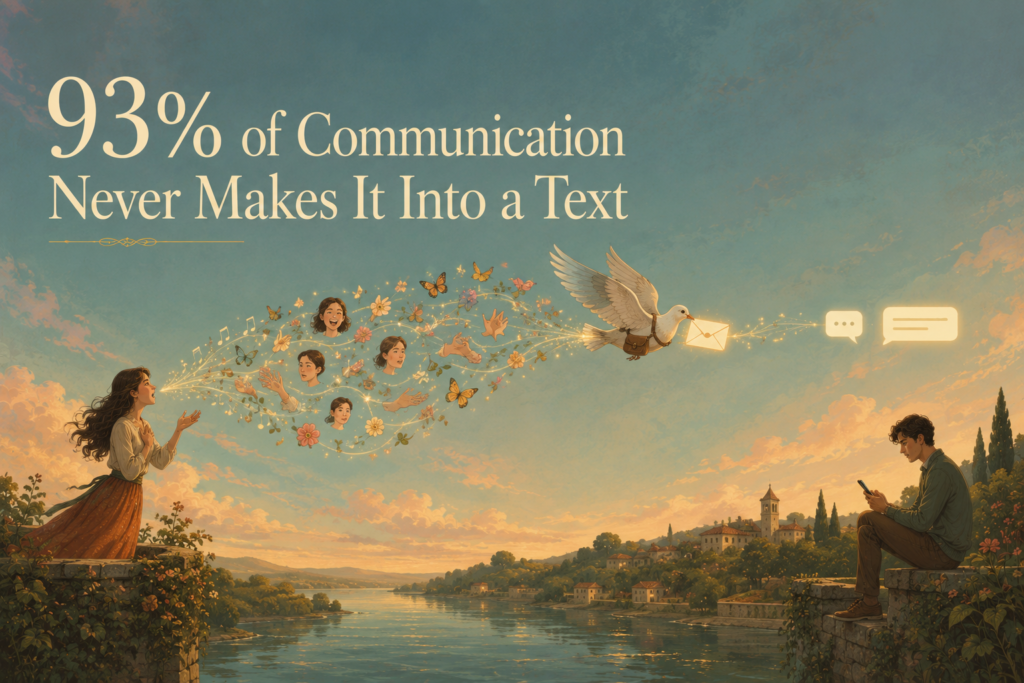
When you’re texting or messaging, you lose about 93% of how communication actually works. You lose the tone of voice and you can’t see facial expressions. You lose the pause that would normally come before something vulnerable. What’s left is just text, flat, open to interpretation, and dangerously easy to read the wrong way. A message analyzer ai can’t read minds either, but it can help you understand patterns you’d otherwise miss. The problem is that humans are pattern-matching machines, and when information is incomplete, we fill in the gaps with whatever’s most available in our minds, usually our fears.
Why We Guess Instead of Understanding?
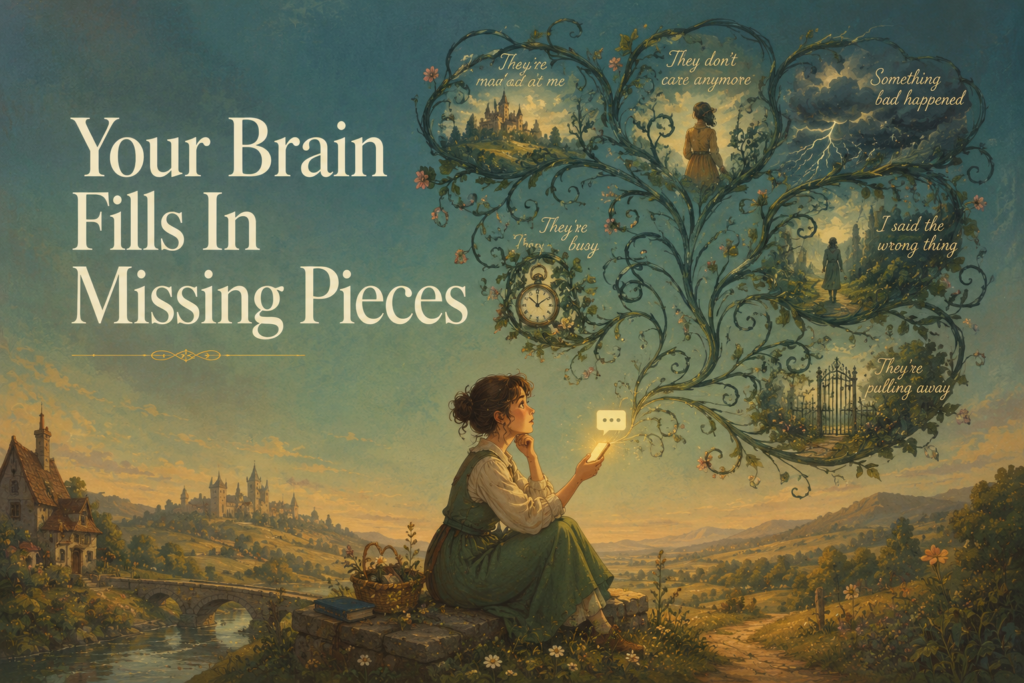
Here’s what happens in your brain when you see a text: your nervous system scans it for threats before your rational mind even engages. If a message is ambiguous, your trauma responses, past relationship patterns, and current anxiety levels all jump in to fill the blanks. You’re not choosing to misinterpret, your brain is literally designed to assume the worst when information is incomplete. That’s survival mode. That’s your system trying to protect you. But in modern relationships, this defense mechanism is working against you. It’s creating conflict where there might not be any. It’s building walls where there could be bridges.
Understanding the Hidden Layers of Text
Every message has layers that most people never think about. Let’s dig into what’s actually happening.
The Words vs. The Feeling Behind Them
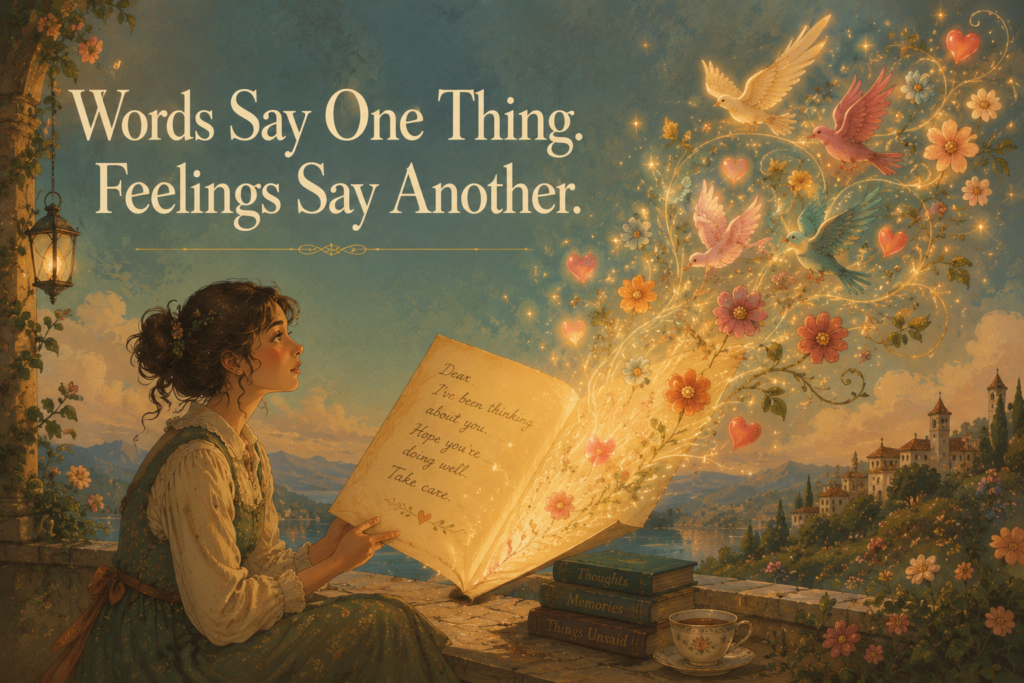
When someone sends you a text, there’s what they’re saying and then there’s what they’re actually feeling. A conversation analyzer helps you see both. Maybe your partner texts, “I’m fine” and you read it as anger. But what if they’re actually just tired? What if they’re distracted? What if they’re wrestling with something completely unrelated to you? The words are only the surface. The feeling beneath them is the actual story. This is why what does this text really mean goes so much deeper than the literal definition of the words. It’s about intention. It’s about emotional state. It’s about the context you can’t see but can learn to recognize.
Reading Between the Lines Without Projecting
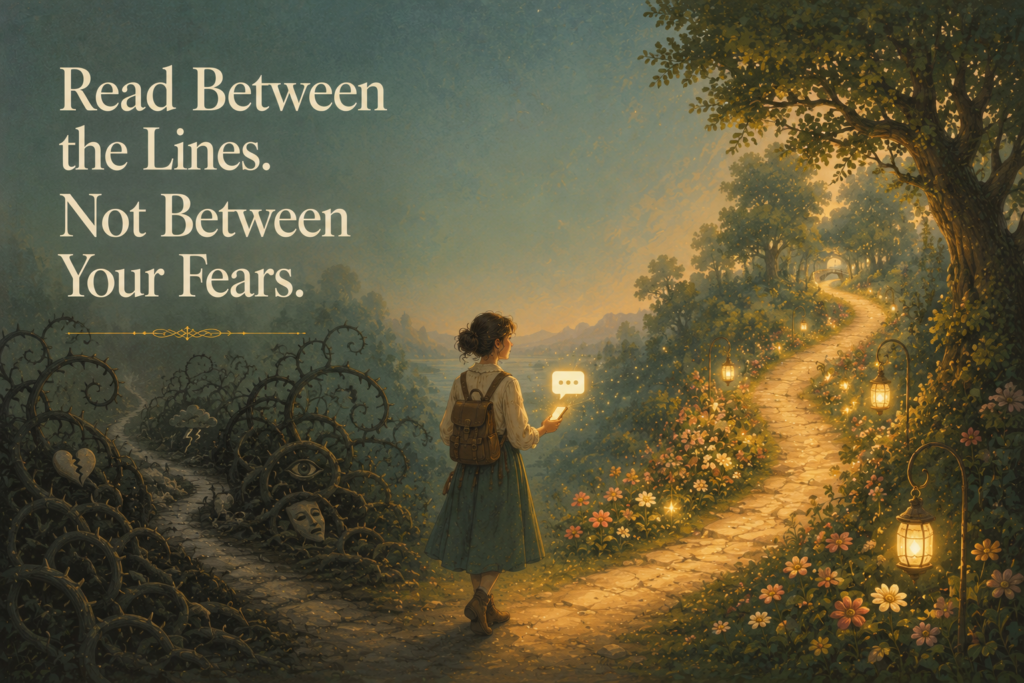
There’s a difference between reading between the lines and projecting your fears onto someone’s words. One is intuition and emotional intelligence. The other is anxiety wearing a disguise. An ai chat analyzer can help you distinguish between the two by showing you actual patterns instead of letting your nervous system write fiction. When you use technology to reflect rather than to replace human understanding, you’re giving yourself permission to pause. You’re creating space to consider that maybe, just maybe, the story you’re telling yourself isn’t the whole story.
Why Your Relationships Need This Kind of Clarity
Let’s be real for a second. Most relationship conflict doesn’t actually come from what was said. It comes from what people think was meant.
The Ripple Effect of Misunderstanding
One misread message creates a reaction. That reaction creates a response. That response gets interpreted through another filter of assumption. And suddenly, two people who genuinely care about each other are in a fight that neither of them actually wanted. This happens because we’re not trained to think about our own patterns. We’re not encouraged to pause and reflect before we react. A text analyzer relationship tool isn’t about replacing your judgment, it’s about giving you information so your judgment can be better. It’s about breaking the cycle where misunderstanding breeds more misunderstanding.
Connection Happens Through Understanding
Real connection doesn’t happen when you’re right. It happens when you actually understand the other person. When you move past surface-level reading and into the territory of genuine curiosity about what someone meant. This requires patience. This requires humility. This requires the willingness to consider that your first interpretation might not be the full picture. The most connected relationships aren’t between people who never misunderstand each other. They’re between people who’ve learned how to understand each other better when misunderstanding happens.
How to Actually Know What Someone Means
Let’s talk about practical skills. Because technology is just a tool, the real power comes from what you do with it.
The Pause Practice
Before you react to a message, pause. Actually pause. Not a second-long pause where your anxiety is still firing. A real pause. Read it again. Ask yourself what emotional state the person might be in. Consider what you know about their communication style. Think about what else might be going on in their life. This is the foundation of understanding. This is where what does this text really mean stops being a question and starts being a practice. Every conversation is a chance to get better at this.
Look for Patterns, Not Just One Message
One message is a data point. A pattern is information. If someone always takes a while to respond, that’s their communication style, not necessarily a sign they don’t care. If they use short texts, that might just be how they prefer to communicate, not them being cold. When you zoom out and look at the whole picture of how someone communicates, you start to understand their actual style versus your interpretation of a single moment.
Tools That Help You Understand Better
Technology should serve your relationships, not complicate them.
Why a WhatsApp Analyzer Matters for Real People
Most of us live in our messaging apps. WhatsApp, iMessage, Instagram DMs, this is where actual relationships happen now. An analyzer that works with these platforms isn’t invasive or weird. It’s just meeting people where they actually are. It’s a whatsapp analyzer that can help you see patterns in your communication that you’d miss on your own. Not to spy. Not to overthink. But to understand. To reflect. To get clearer on what’s really happening beneath the surface of your chats.
The Reflection Tool, Not the Judgment Tool
The best tools are mirrors, not judges. They show you what’s there without telling you what it means. They help you notice patterns without making assumptions for you. This is the difference between a tool that helps you understand and a tool that makes decisions for you. You’re looking for something that creates space for reflection, not something that replaces your intuition.
Building Better Communication Habits
Understanding isn’t a one-time thing. It’s a practice. It’s something you get better at over time.
Start Small and Build From There
You don’t need to analyze every single message you receive. That would drive you absolutely crazy. Start with the ones that matter. The ones that confuse you. The ones that hurt. Use these moments as opportunities to practice understanding instead of just reacting. Every time you pause instead of snap back, you’re rewiring your nervous system. You’re building new pathways toward connection instead of conflict.
Let Clarity Change Your Relationships
When you stop guessing and start understanding, everything shifts. You become less defensive. You ask more questions. You extend more grace. You realize that most people aren’t trying to hurt you, they’re just trying to communicate, sometimes badly, just like you are. This is where real intimacy starts. This is where trust gets built. Not through never having conflict, but through being willing to understand each other when conflict happens.
Conclusion
What does this text really mean?
It’s a question worth asking. It’s a skill worth developing. It’s a practice that can transform how you relate to everyone in your life, friends, family, partners, colleagues, everyone. We’ve built a world where we communicate more than ever but understand each other less. We’ve optimized for speed and efficiency at the cost of clarity and connection. But that can change. Your next conversation doesn’t have to be another spiral of assumption and misunderstanding. Your next message exchange doesn’t have to end in conflict or confusion. What if you could actually know what someone meant? What if clarity wasn’t a luxury, it was just how you communicated? That’s not asking too much. That’s just asking to understand. And honestly, in a world that moves this fast and talks this much, understanding is everything.
Ready to Understand Your Conversations Better?
Stop spiraling over what a message might mean. Pause before you reply. Upload a conversation to Encantta and see what emotions are hidden beneath the words. Reflect with AI before reacting, because your next conversation could change everything when you actually understand what’s being said.
Take a closer look at what your messages are really communicating. Start with understanding.