
11 Texting Habits That Quietly Kill Relationships: What a Text Message Analyzer Can Reveal?
We text someone we care about and hit send without hesitation. Hours later, they’re upset. We’re confused. We genuinely didn’t mean it that way. This happens more than we want to admit, and most of us just accept it as part of texting. There’s this strange gap between what we meant and what they heard. But here’s what’s interesting: we’re not actually bad communicators. We’re just unaware communicators. The habits we’ve developed are so automatic that we don’t notice them anymore. If you could use a text message analyzer to look at your own patterns objectively, what would you see? Understanding why this gap exists, how small habits compound into real damage, and what’s actually happening beneath the surface of our conversations, that’s where the clarity begins.
What Makes Texting So Different? Why Does a Text Message Analyzer Show What We Miss?
Texting stripped communication down to its bare minimum. No tone. No facial expressions. No pauses where someone can see you’re still thinking. When you’re having a conversation in person or even on the phone, your voice carries all this information, the hesitation, the warmth, the humor, that text just doesn’t have. A message that sounds totally cool in your head can come across as cold, angry, or dismissive to someone else.
When this happens, you can’t blame them for not understanding you. It’s just how the reality of communication works without context. The interesting part is recognizing this gap isn’t about the words themselves.
Having the understanding of this fundamental shift in how we communicate is the first step toward having better conversations.
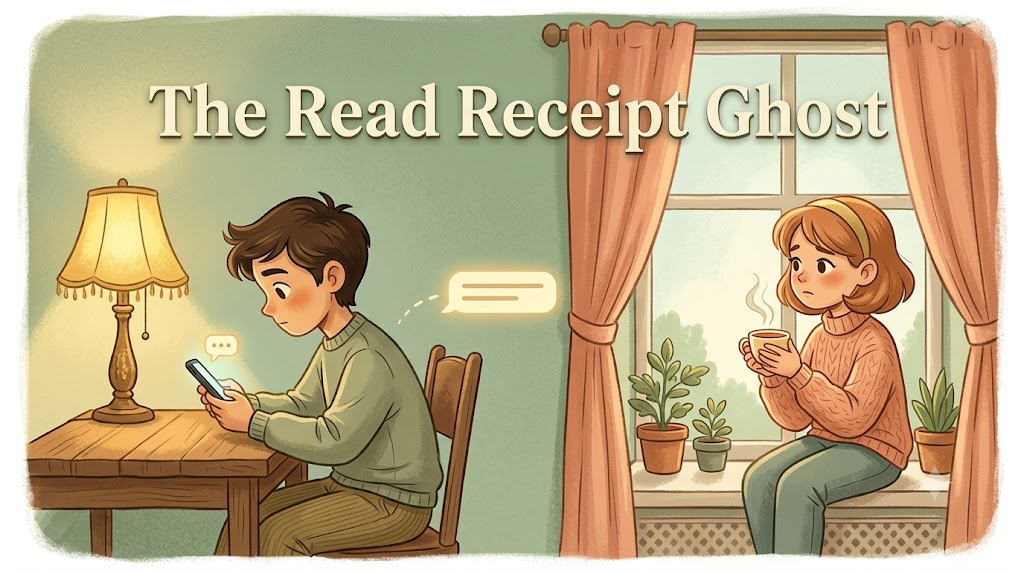
Habit #1: The Dreaded Read Receipt Ghost
When you see a message but choose not to respond.
Here’s what’s interesting about read receipts: they turned responsiveness into a trackable thing. Someone texts you something important, you see it, but you don’t respond for three hours. They can see you’ve read it. They know you’ve read it. Now they’re in this strange place, wondering what they did wrong. There is this constant contemplation in their head too if they said something offensive, or if they’re just not important enough to warrant a response.
The read receipt didn’t create the problem, but it made the silence louder. What’s happening here is that delayed response creates a kind of emotional void where the other person starts filling in the blanks. And they usually fill in the worst-case scenario. Sometimes you’re genuinely busy. Sometimes you’re not sure what to say. But to them, the message is the same: avoidance.
Habit #2: Using Periods Like You’re Angry
A single punctuation mark changes the entire meaning of a message.
This one is very crucial for our generation. Using periods in casual texting reads as aggressive. A text that says “okay” lands completely differently than “okay.” The second one has an edge. We’ve evolved texting to use no punctuation at all because periods started to feel like a passive-aggressive response. The irony is wild, we were taught our entire lives that periods are how you end sentences properly, but in texting, that same grammar rule becomes a weapon.
A tiny dot somehow carries frustration, anger, or dismissal. If you were to use an instagram chat analyzer on your conversations, you’d probably notice patterns in how tone shifts with small punctuation choices. Most of us don’t even think about this when we type. We just hit send. But on the other end, someone’s reading punctuation as emotion. One period can shift an entire conversation’s tone.
Habit #3: The Single-Word Response
“K” is not communication; it’s a barrier.
When someone crafts you a thoughtful message and you respond with “lol” or “ok” or “sure,” something gets lost. Even if you’re genuinely busy, it reads like indifference. These one-word responses create this cumulative effect over time. Imagine getting them over and over: you text something vulnerable, they respond with an emoji. You share something important, they send “k.” After a while, you stop trying. You stop texting. You start assuming they don’t care. The person sending those short responses usually doesn’t realize they’re creating distance. They think they’re being efficient. But efficiency isn’t the goal in relationships,connection is. If you’re actually too busy to engage, it’s better to say that directly than to send a dismissive abbreviation.
Habit #4: Dropping Heavy Conversations on Someone Without Warning
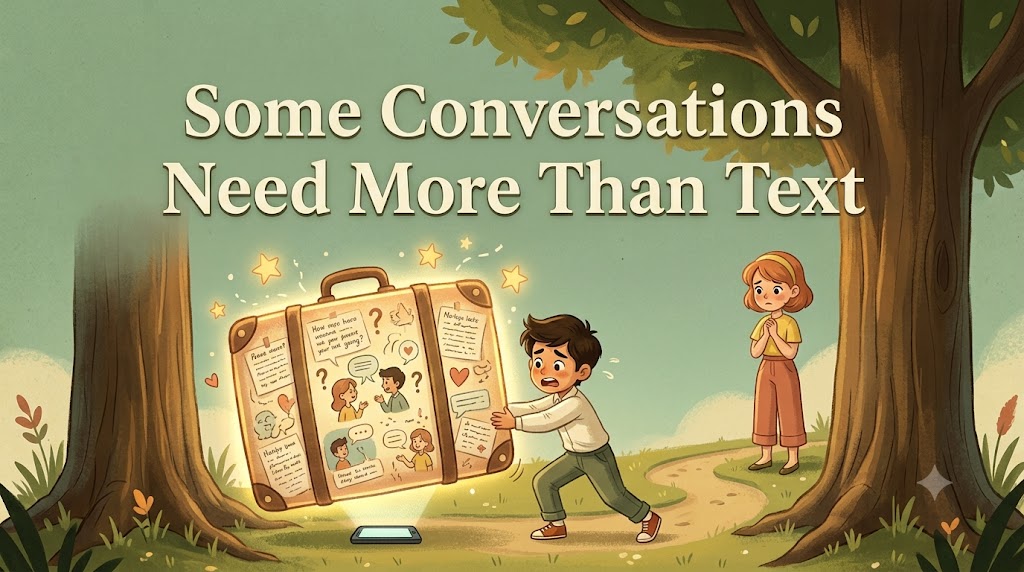
Text is not the place for serious conversations, yet we keep treating it like it is.
This one’s where real damage happens. Something’s bothering you, so you send a wall of text. The other person sees it and freezes. They’re blindsided, can’t respond properly because they’re at work or driving or just not in the headspace for it. Everything escalates from there.
They either ghost the message because how do you respond to that in a text, or they send back something equally heavy, and now you’re having your most important conversation through a screen when it actually deserves real dialogue. The thing is, we do this because texting feels safer. But it’s actually the opposite.
A text message analyzer would show you that the heaviest conversations are often the ones that caused the most misunderstanding. When you analyze text message conversation patterns objectively, you see how tone collapses under emotional weight.
Habit #5: The Double Text Spiral
Sending multiple messages in a row without pausing.
When you send someone three messages back-to-back without them responding, you’re creating pressure they didn’t ask for. They feel obligated to respond now, like they’ve done something wrong by not getting back to you immediately.
But they were probably just in the bathroom. Or in a meeting. Or dealing with something. Instead of giving them space to respond naturally, you’ve manufactured urgency that wasn’t there. This habit usually comes from anxiety, the anxiety of not knowing if they got your message, if they’re mad, if they’re ignoring you. But the impact is that you’re making them anxious too. It’s like you’re both spiraling separately, in the same conversation.
Habit #6: Replacing Words With Emojis
When emoji becomes your primary language.
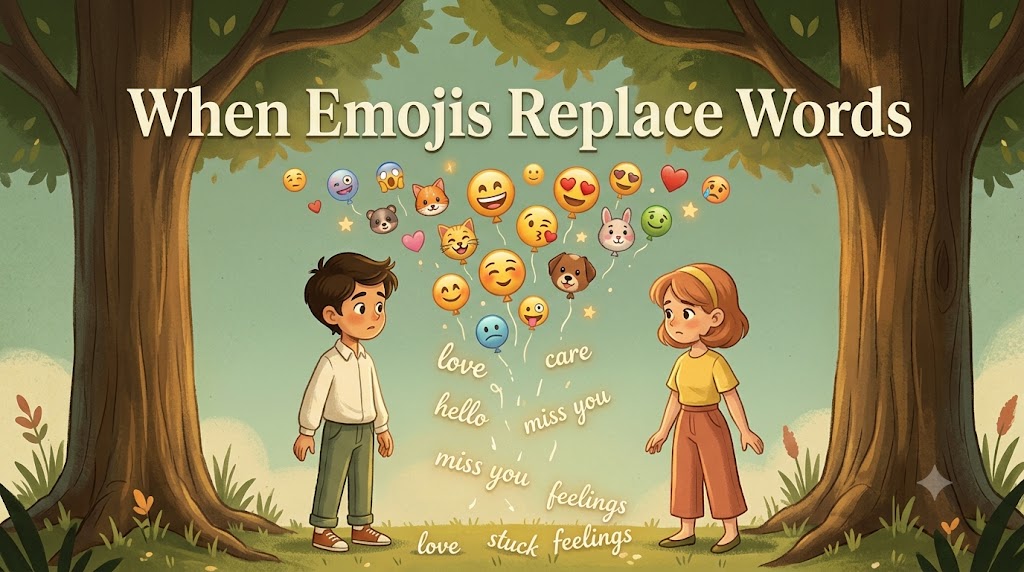
Some people have basically stopped using actual language and just respond with emoji combinations. It’s cute, it’s fast, but it’s also incredibly vague. That laughing emoji, is it because something’s funny or because you think I’m ridiculous? That heart,is it genuine or are you being sarcastic? The other person has to basically guess what you mean, which defeats the entire purpose of communication. If you’re using emojis to avoid saying what you actually think or feel, that’s avoidance dressed up as efficiency. We’re all fluent in emoji, sure, but fluency doesn’t mean it should replace actual language. There’s something about using words that requires vulnerability and intention.
Habit #7: Leaving People on Read for Days
Ghosting lite is still a form of abandonment.
There’s a difference between leaving someone on read because you’re busy and leaving them on read because you’re avoiding them. The second one is brutal, for them. If someone reaches out and you see their message but never respond, you’re essentially saying they don’t matter enough. Even if that’s not what you mean, that’s the impact. They’re sitting there wondering if you’re okay, if they said something wrong, if you’re angry with them. The uncertainty is exhausting. And after a while, the pattern becomes so normal that they stop reaching out altogether. They get the message, loud and clear. The worst part is how invisible this habit is to the person doing it. You might not even realize you’re doing it.
Habit #8: Assuming the Worst in Every Message
Taking offense when there probably wasn’t any meant.
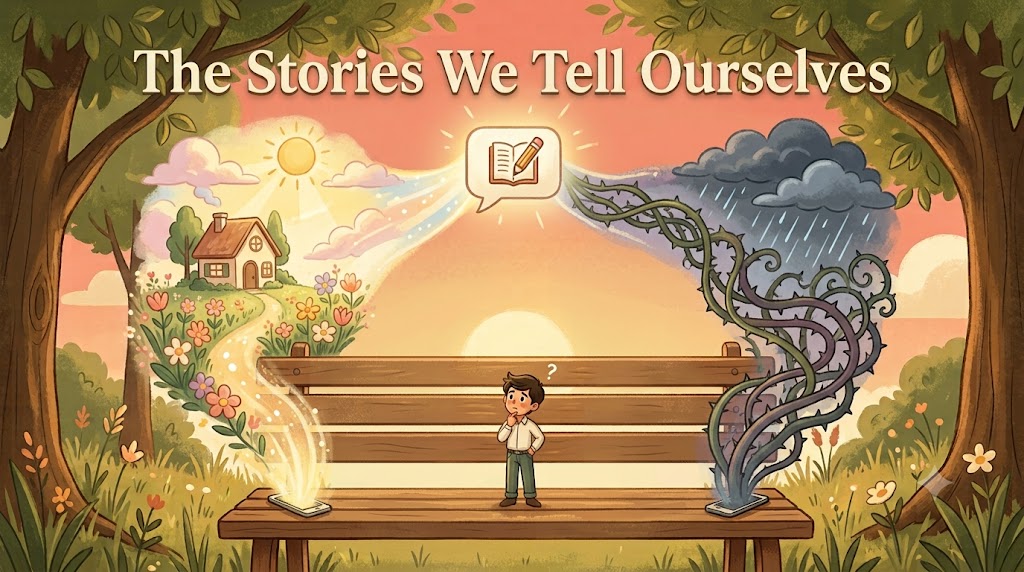
Someone sends you a message that feels rude, so you assume they’re mad at you. You get defensive. You send back something snippy. And now there’s tension that was literally never there. The truth is, people send messages while doing ten other things. They’re typing with one hand while holding coffee. They’re not putting thought into tone because they’re texting from three different places at once. But we read malice into everything. We’re all hyper-attuned to detecting when someone’s upset because, on some level, we’re looking for proof that we’re not good enough. Before you take something personally, it’s worth asking: do I actually know this person was upset, or am I assuming? A text message analyzer would help you see patterns in how often you’re misinterpreting tone. Sometimes the only way to find out is through actual inquiry, asking for clarification instead of creating a story about what they meant.
Habit #9: Using Text as an Emotional Dumping Ground
Unloading everything without checking if there’s room.
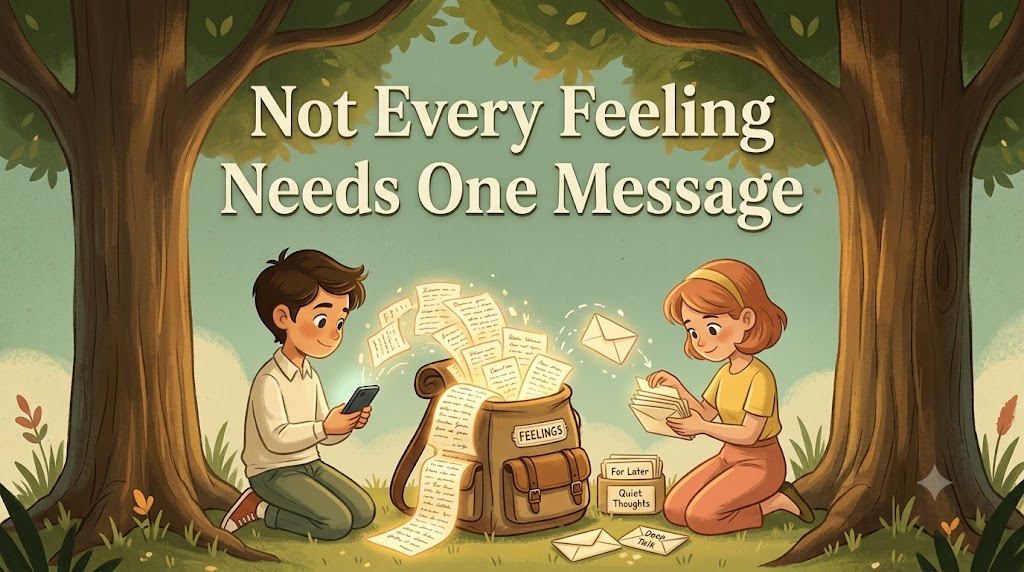
Sometimes we treat our phones like personal diaries and people like therapists. You send this massive brain dump of everything you’re feeling, and then you expect the other person to process all of it and respond thoughtfully. But they might be at work. They might be dealing with their own stuff. You’ve basically thrown emotional baggage at them without asking if they have capacity to handle it. A text message analysis of these patterns often reveals how much we’re asking the other person to hold. This is where emotional awareness matters. Communication is supposed to be a conversation, not a one-person monologue. If you’re going through something heavy, that person probably cares. But they also need you to respect their bandwidth.
Habit #10: Sarcasm That Doesn’t Land
Humor doesn’t survive the text transition.
Sarcasm is hilarious in person because there are visual and vocal cues. Your tone of voice, your facial expression, the timing, it all makes it clear you’re joking. But in text? Sarcasm is basically a landmine. You think you’re being witty and funny, but they read it as mean or cutting. By the time you explain “oh I was joking,” the moment is dead and they’re already hurt. This is especially dangerous when you’re texting someone who’s already feeling vulnerable or insecure. Your joke becomes the thing that confirms their worst fear. It’s the kind of miscommunication that seems small in the moment but adds up over time.
Habit #11: Text Apologies That Aren’t Actually Apologies
“Sorry” without meaning is just a word.
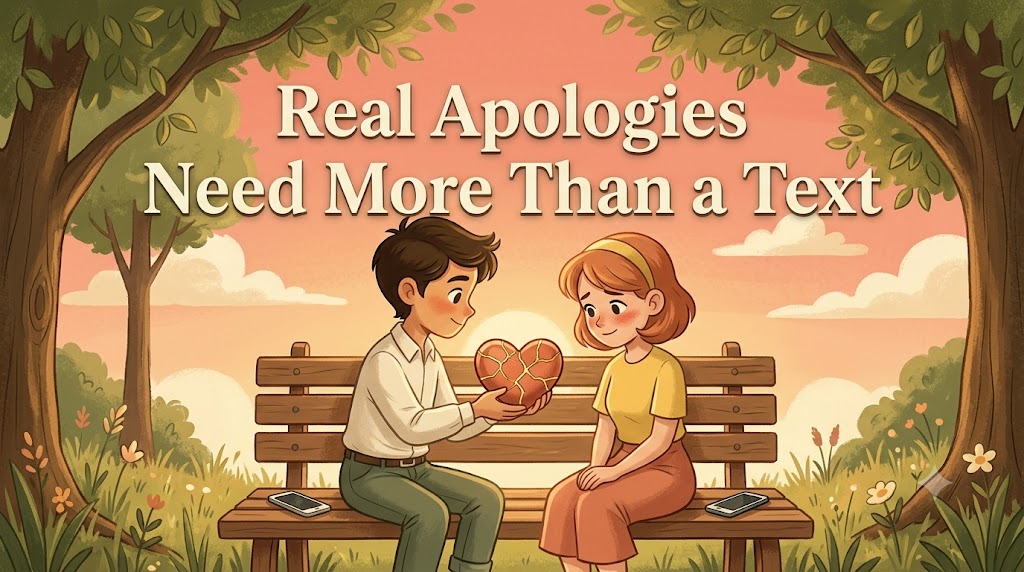
When you mess up and send “lol sorry” or just a sorry emoji, that’s not an apology. That’s damage control. A real apology means acknowledging what you did wrong, understanding why it hurt the other person, and committing to doing better. You can’t do that in a text. You especially can’t do it when you’re being flippant about it. If you’ve hurt someone, they deserve more than a lazy text apology. This is one of those moments where the relationship actually needs real conversation. Not a text. Not a call. A real talk where they can see your face and know you actually mean it.
The Deeper Pattern: Texting Without Intention
At the end of the day, the problem with texting isn’t really about texting itself. It’s about the fact that we’ve stopped pausing before we communicate. We’ve normalized sending messages the second we think them, without considering how they’ll land on the other side.
We’ve made it acceptable to have important conversations through a screen when they actually deserve more. And we’ve convinced ourselves we’re “too busy” to actually talk to people in real time. Here’s what’s wild: the more we text, the more disconnected we become. The irony is heavy. If you actually want better relationships, the first step isn’t to text better. It’s to become more intentional with every message. Pause. Think about how your words might land. Consider the person on the other side. That’s where real change happens.
Summing Up
Texting habits don’t destroy relationships overnight. They do it quietly, through a thousand small moments of miscommunication, assumptions, and missed intentions. You don’t wake up one day and realize everything’s fallen apart because of a misunderstood message. It’s more subtle than that. It’s the accumulated weight of unread responses, misinterpreted tone, and conversations that should have happened face-to-face but happened through a screen instead. The good news is that understanding these habits is the first step to changing them. Once you recognize that you’re leaving people on read, using punctuation as a weapon, or unloading emotionally without checking in first, you can actually do something different. That awareness, that ability to see your patterns with the clarity of a text message analyzer, is where transformation begins. Your relationships deserve that level of attention.
Ready to Understand Your Conversations Better?
Most of us never pause to look at what our messages are really communicating. We send and forget. But what if you could see the patterns you’ve been missing? What if you could understand the emotions beneath the words, both yours and theirs?
Upload a conversation to Encantta and see what’s actually happening in your communication. Reflect before you react. Understand the conversation beneath the words.
Pause before you reply.